Contact us on WhatsApp: +86 139 1380 1295 Email: kongsi@megodoor.com


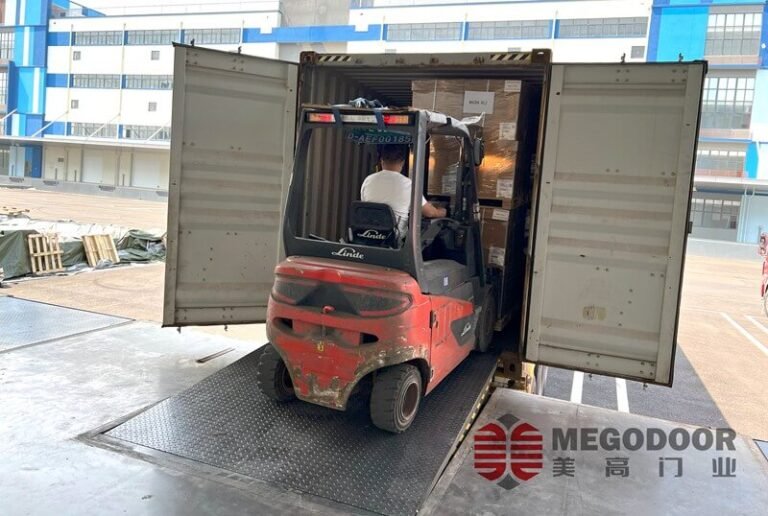
In industrial plants, logistics warehouses, loading areas, and production workshops, forklifts, pallet trucks, and AGVs operate frequently. Doorways, wall corners, machinery, and storage-rack areas are therefore vulnerable to accidental impact. Installing safety bollards can help protect personnel, vehicles, buildings, doors, and production equipment.
Common industrial safety bollards are mainly divided into traditional metal bollards and polymer flexible bollards. These two types differ significantly in material, impact-absorption principle, service life, and maintenance requirements.
Characteristics of Traditional Metal Bollards
Traditional metal bollards are usually manufactured from steel tubes or welded steel plates. They mainly rely on the rigidity of the metal structure to resist forklift impacts.
When subjected to a strong collision, impact energy is transferred directly to the bollard, mounting bolts, and concrete floor. This may cause the bollard to bend, welds to crack, base plates to deform, or anchor bolts to loosen.
Because the surface of a metal bollard is hard, a collision may also scratch the forklift, damage the vehicle body, or increase the impact force experienced by the operator. After long-term use, the surface coating may peel, become scratched, or corrode. Regular rust removal, repainting, straightening, or replacement may therefore be required, increasing maintenance time and cost.
Advantages of Polymer Flexible Bollards
Polymer flexible bollards are manufactured from high-performance polymer materials with excellent flexibility, toughness, and recovery capability.
Unlike traditional metal bollards that resist collisions through rigid strength, flexible bollards absorb and disperse part of the impact energy through controlled bending and material deformation. This helps reduce damage to vehicles, floors, doors, machinery, and nearby structures.
After the collision, the flexible bollard can automatically return to its original position. Under normal operating conditions, it is less likely to suffer permanent bending or structural deformation. Even after repeated low-speed impacts, it generally requires little maintenance or replacement, making it suitable for industrial areas with frequent forklift traffic.
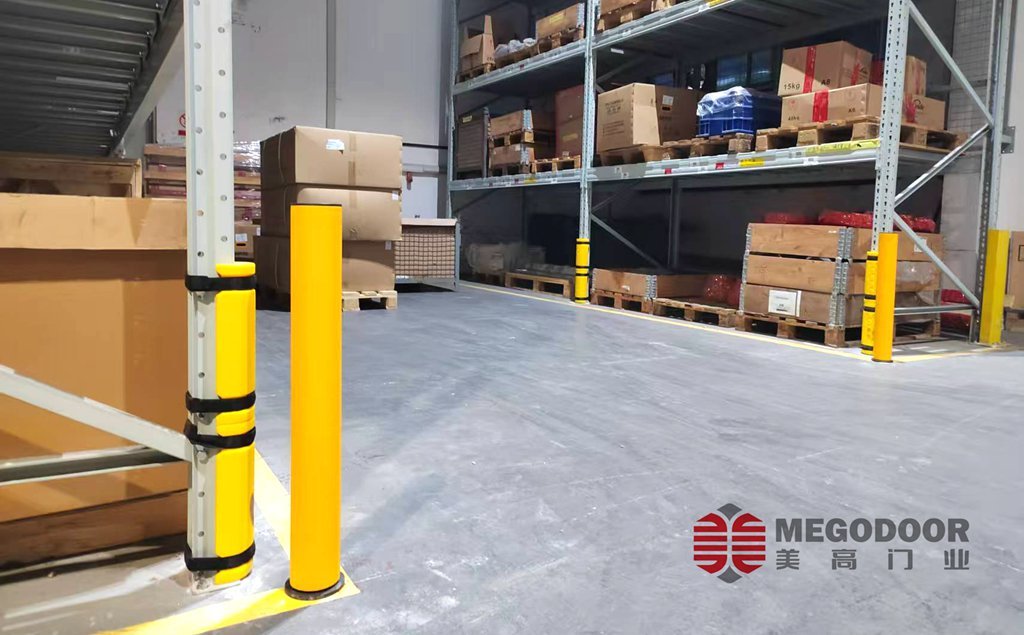
High-Visibility Warning Without Repainting
Polymer flexible bollards are normally manufactured in highly visible safety colours, such as yellow. The colour is integrated into the material rather than applied only as a surface coating.
As a result, minor scratches do not cause obvious paint peeling or expose rust-prone metal. The bright appearance helps forklift operators identify door frames, wall corners, equipment, and pedestrian areas more easily.
Reflective strips or high-visibility markings can also be added to improve visibility in dimly lit warehouses, underground areas, and night-time working environments.
Wear-Resistant, Corrosion-Resistant and Low-Maintenance
Polymer materials provide good resistance to abrasion, moisture, and corrosion. Unlike steel bollards, they do not easily rust and can be used in warehouses, production workshops, cold-storage facilities, loading bays, and selected outdoor environments.
Installation is relatively straightforward. The bollard is generally secured to a concrete floor using a base plate and anchor bolts. After minor impacts, repainting, welding, or manual straightening is normally unnecessary. This helps reduce maintenance work, repair downtime, and long-term operating costs.
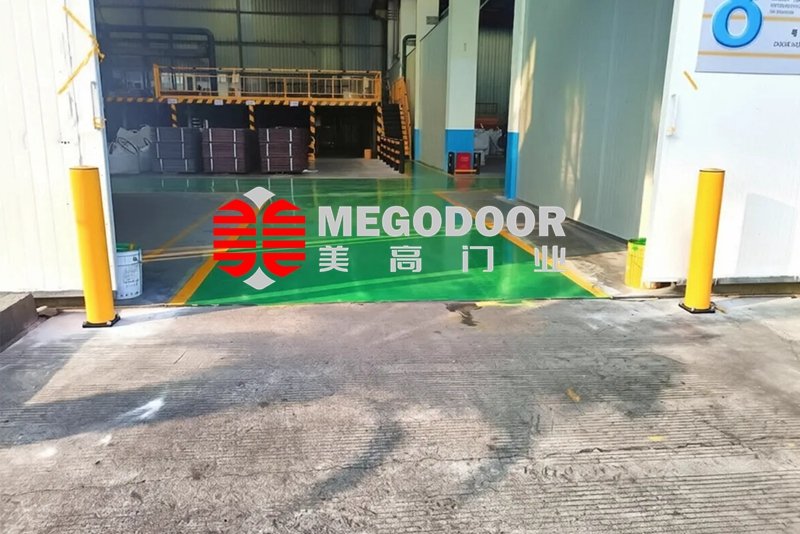
Applications of Polymer Flexible Bollards
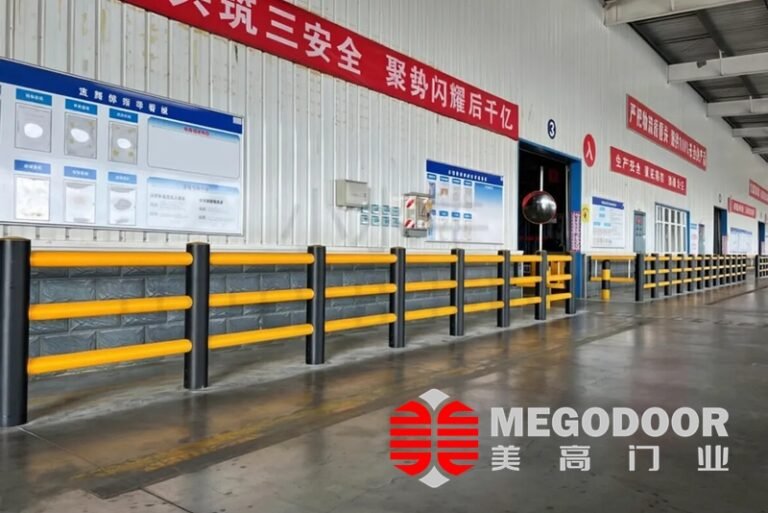
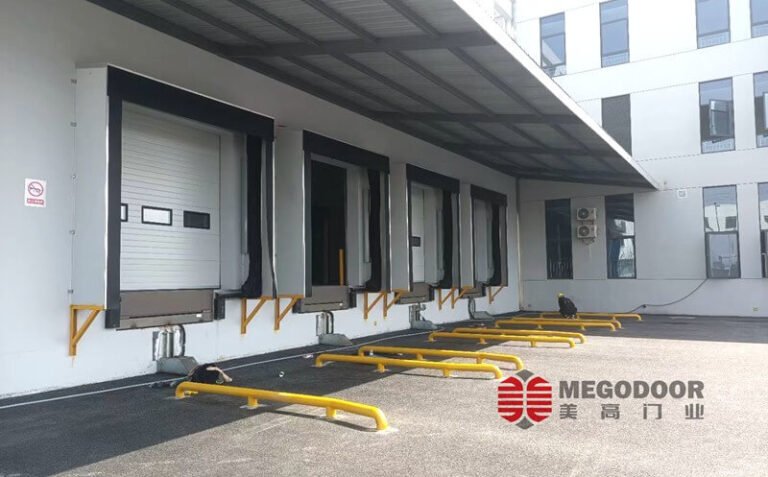
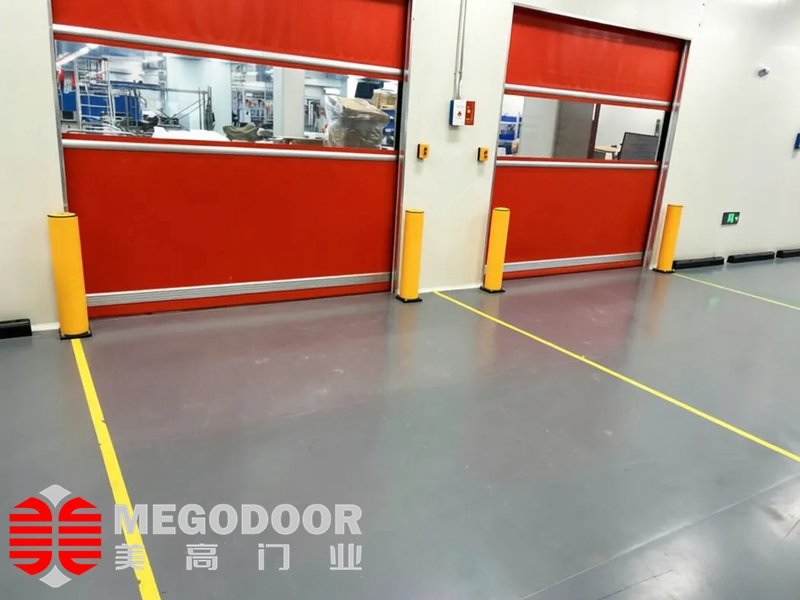
Polymer flexible bollards can be installed on both sides of high-speed doors, sectional overhead doors, and roller shutter doors. They are also suitable for protecting:
- Storage-rack columns
- Firefighting equipment
- Electrical cabinets
- Production machinery
- Building corners
- Loading dock equipment
- Pedestrian walkways
- AGV and forklift routes
Compared with traditional metal bollards, polymer flexible bollards offer impact absorption, automatic recovery, high visibility, corrosion resistance, and convenient maintenance.
When selecting a flexible safety bollard, factors such as vehicle weight, travelling speed, installation position, traffic frequency, and required protection level should be considered. The appropriate bollard diameter, height, material grade, and fixing method can then be selected to improve overall workplace safety.